
Quality improvement project
Improving feedback from detained clients
Background
Right from the start of our healthcare and training services, we have sought formalised feedback. Asking someone how they think we have performed is multipurpose. Yes, it helps to us to improve. But also, it helps people to realise that their opinions actually matter.
The last time we took feedback from our detained clients was late 2024: we devised these paper forms and then surveyed 100 consecutive users of our detainee healthcare and feeding programs. After analysing the results, we implemented several practical suggestions.
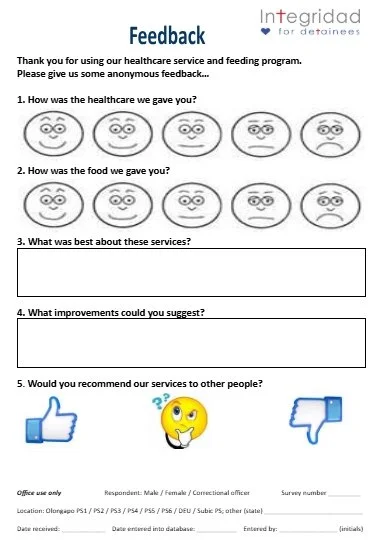
The English language version of our picture heavy, word lite survey.
It is ideal for offender healthcare as most detainees have low levels of literacy.
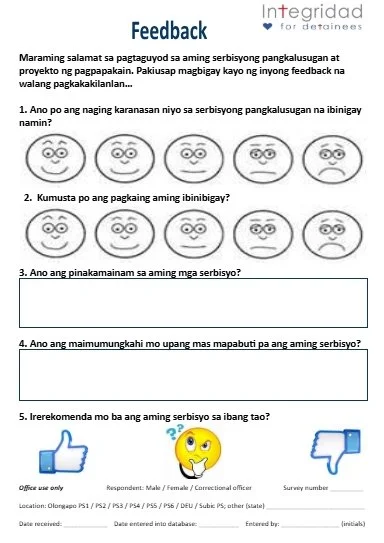
The Tagalog (main Filipino) language version of the same survey.
We also assist those who can’t read or write sufficiently in any language.
Plan
Plan’s objective: improve our feedback process from particular client subgroups within the Philippine places of detention (PoD) within which we operate.
Specific: yes, compared with our last survey:-
increase the overall number of surveys;
seek specific feedback from female detainees;
seek specific feedback from LGBTQ detainees;
seek specific feedback from the correctional officers working at these PoDs.
Measurable: yes:-
receive at least 120 surveys, making a 20% increase on 2024’s surveying;
obtain at least 15% of the surveys from female clients;
offer a survey to every client who we believe may be LGBTQ;
survey at least two correctional officers at every PoD.
Achievable: yes, by allocating a lead healthcare professional to drive through this QIP as their placement project.
Relevant: yes, further feedback about how we serve key groups of our detained clients - our key client group - can only benefit the quality of our service.
Time-defined: yes, May-July 2026, which is 1.5 years since our last detained client survey.
Personnel: led by elective medical student Asam Iqbal, assisted by all other Philippine-based regular personnel, and supervised by Dr Rachael Pickering.
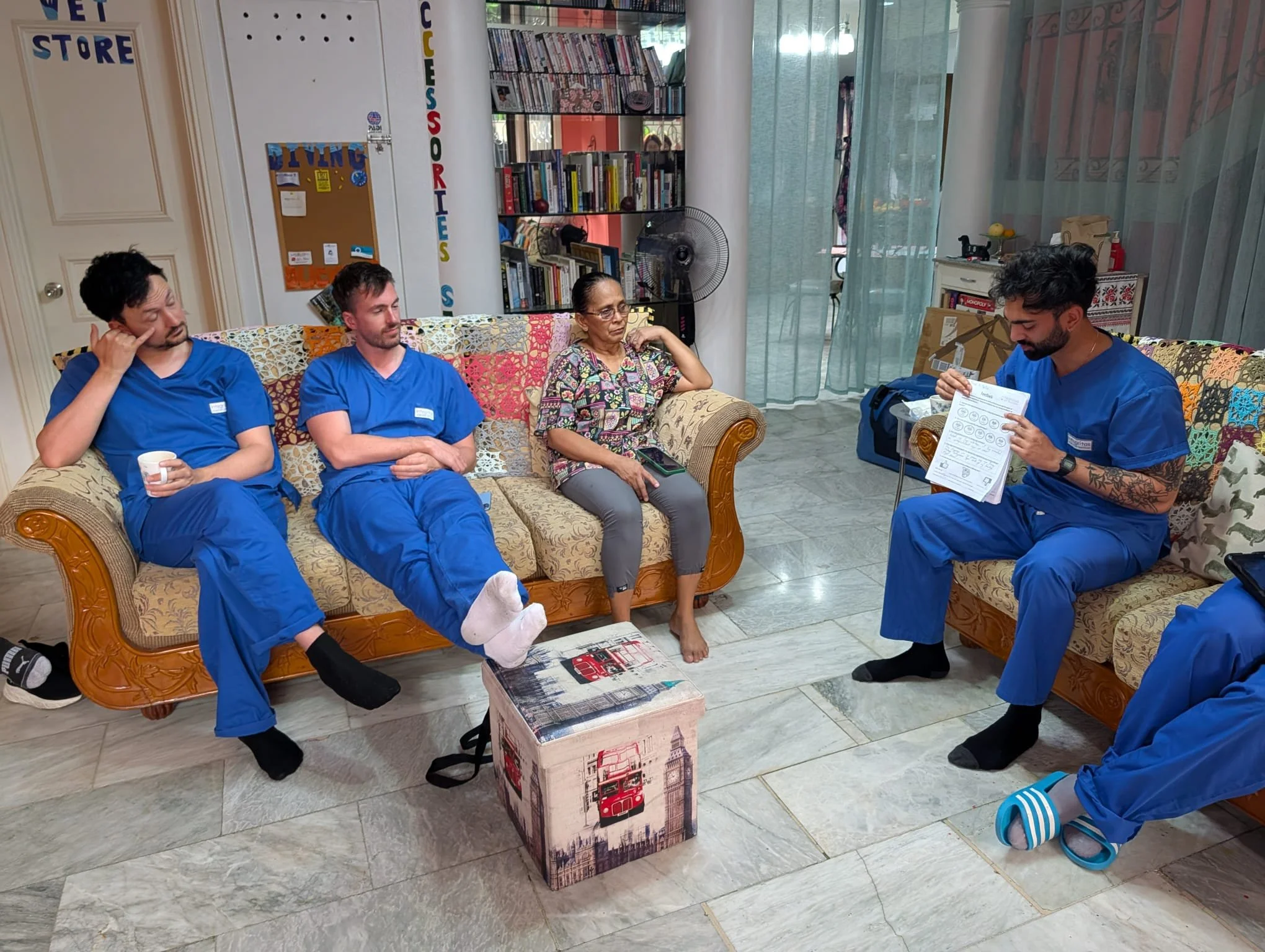
During a morning team meeting, Asam explaining how to ensure that the survey forms are filled in correctly and how to prioritise the above-mentioned subgroups.
Do
Do the change: the survey was done as scheduled.
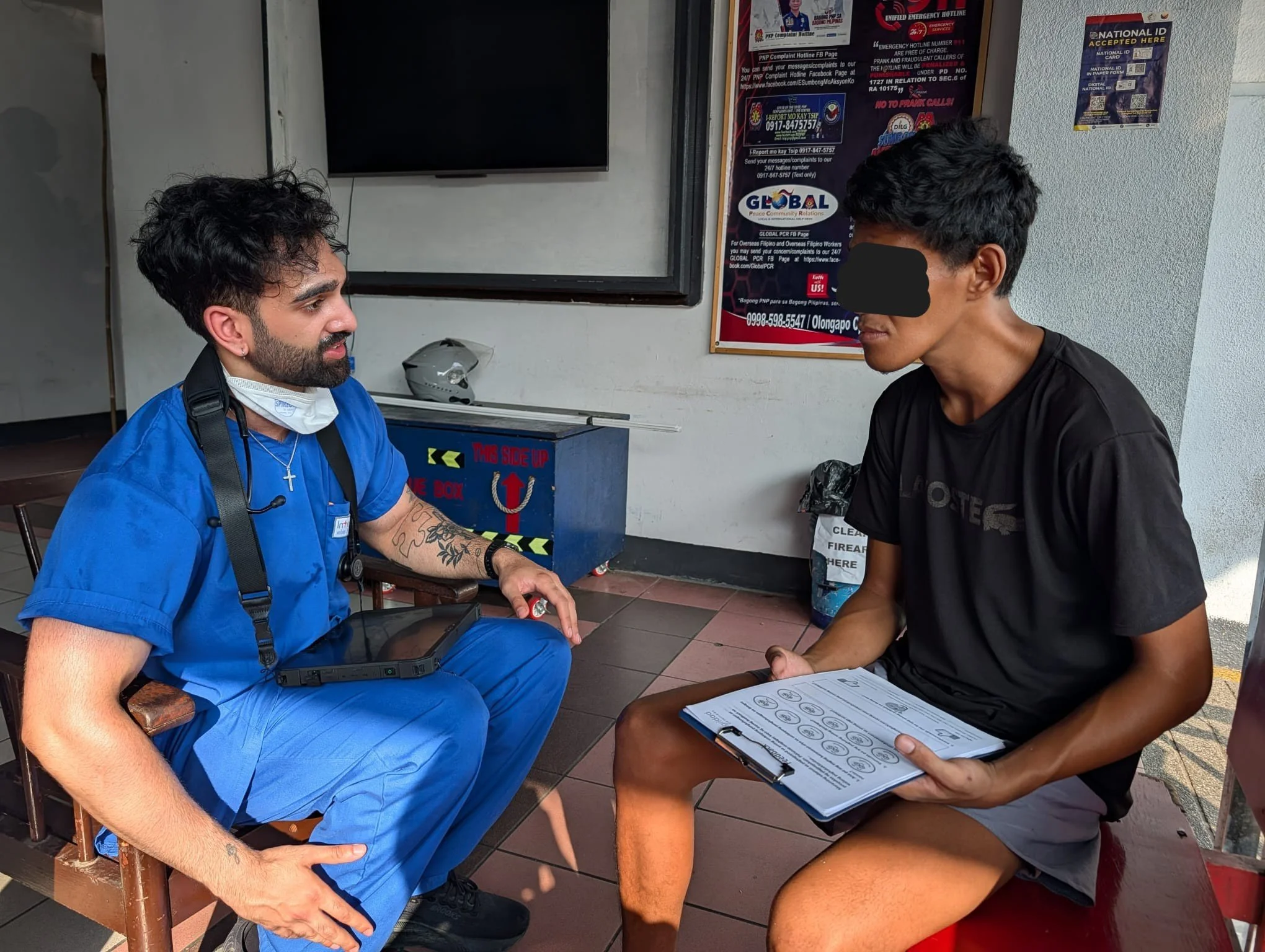
Asam with a potential survey participant in a police station foyer, explaining that his opinion matters
Detail any problems: the fluctuating rates of incarceration of female detainees, who make up far less than 10% of police detainees, slowed the collection of surveys from that particular subgroup within police custody. We compensated for this by increasing the number of surveys collected from female detainees held within remand jails.
Study
Study the data:-
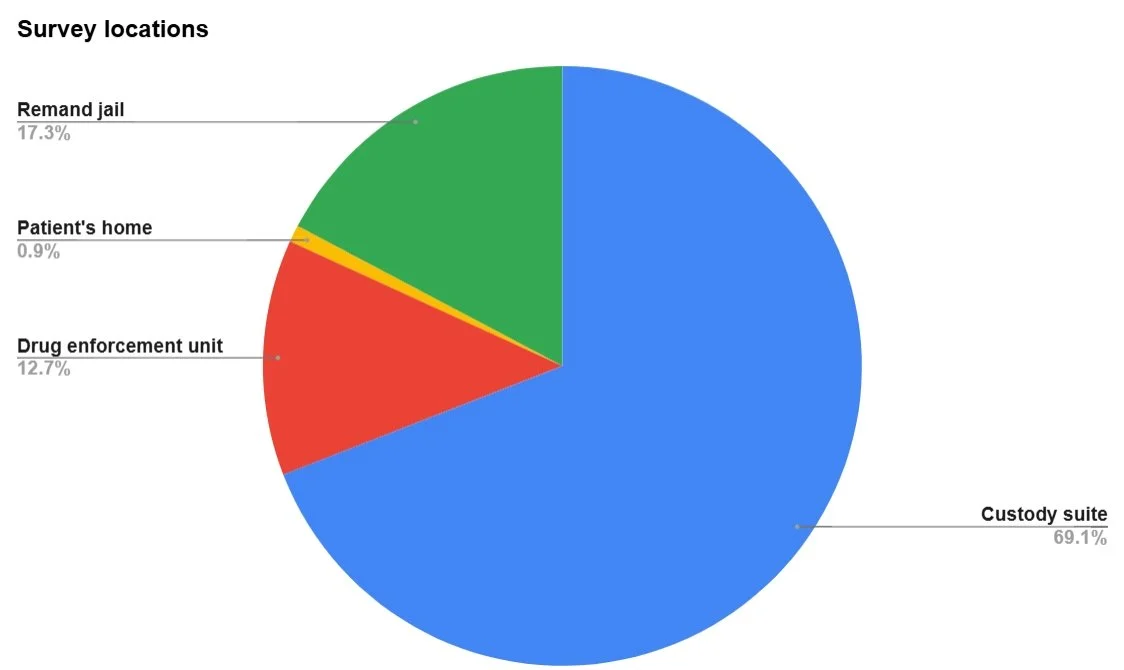
initial data charts, which relate to the overall surveyed population as opposed to the subgroups, are displayed are displayed below;
group-level analysis is being done in September 2026.*
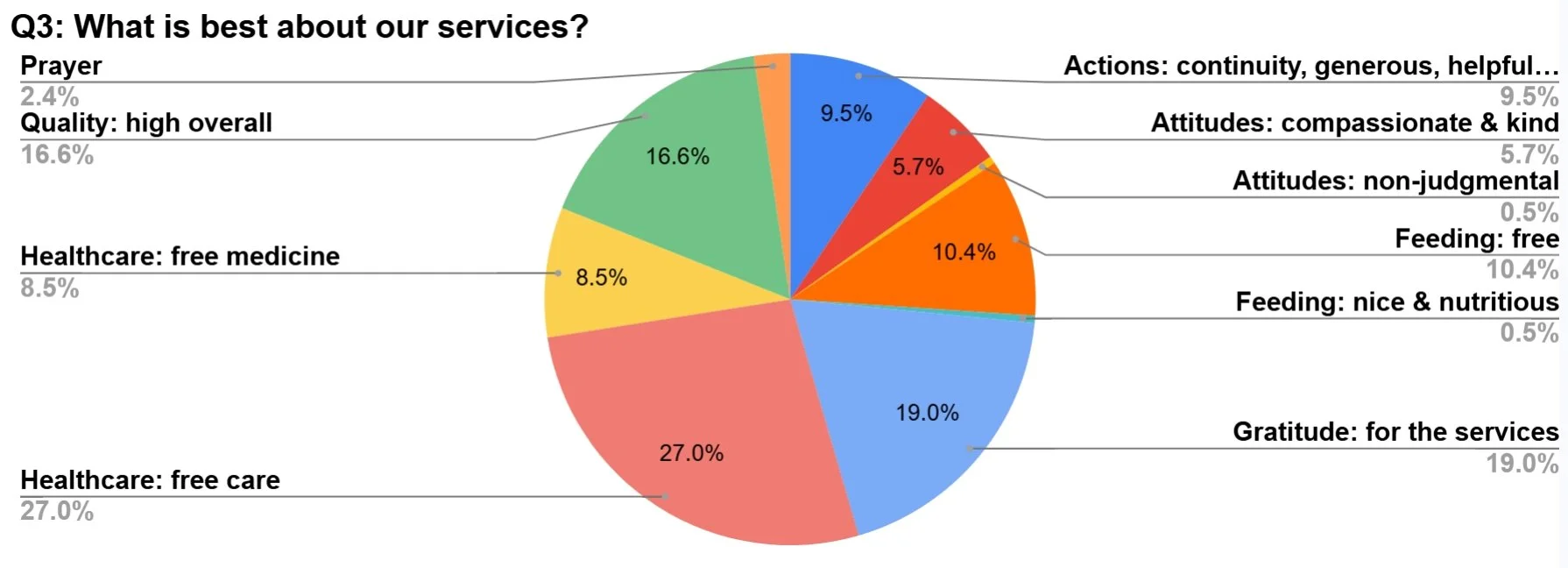
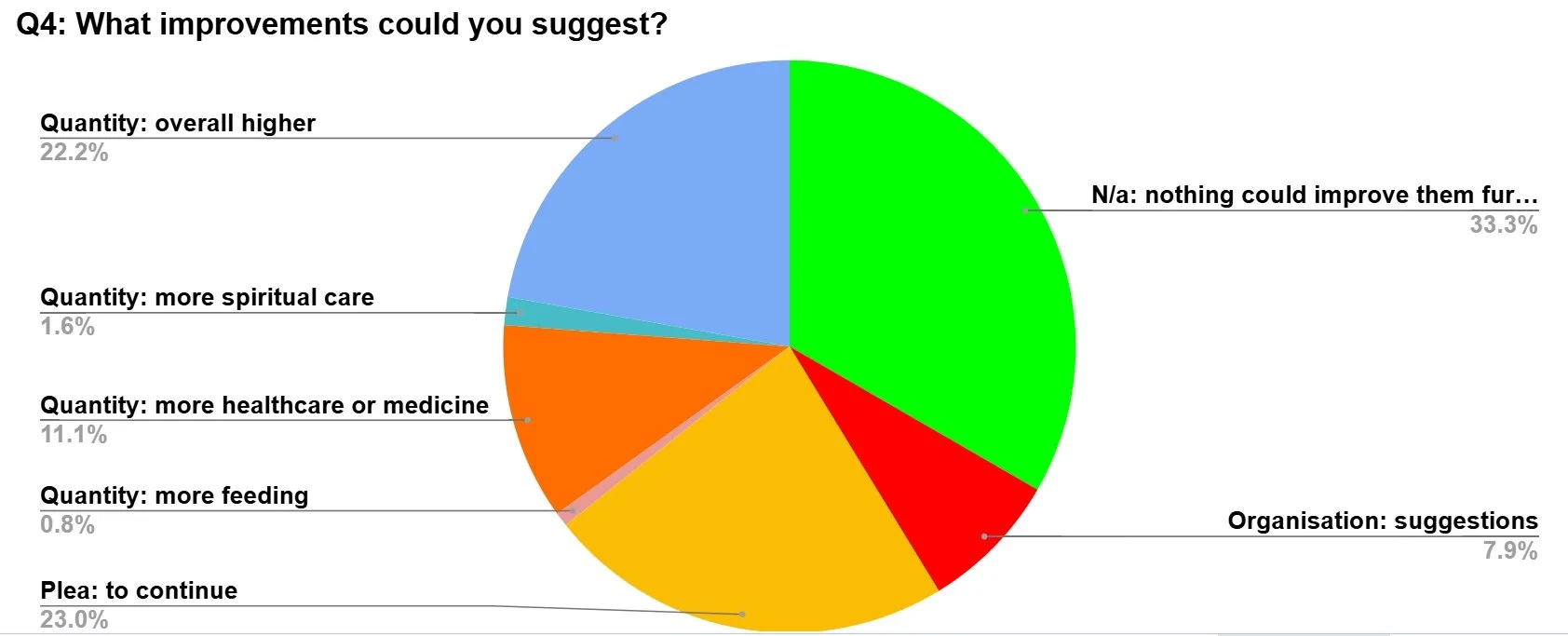
Summarise our learning: our learning will then be summarised here.*
Act
Actions already made:-
we have agreed to share our findings and learning with wider offender healthcare colleagues from around the world, as a poster at the Health & Justice Summit in October 2026.
when we next do this survey, we will consider scheduling more time for collecting data from female detainees.
Additional action(s) required: this will be determined during autumn 2026.*
Last updated 08/09/2026
* = work in progress
…let the wise listen and add to their learning,
and let the discerning get guidance…
Proverbs 1:5